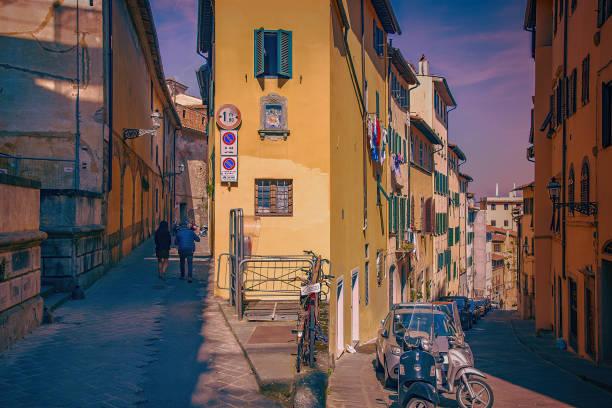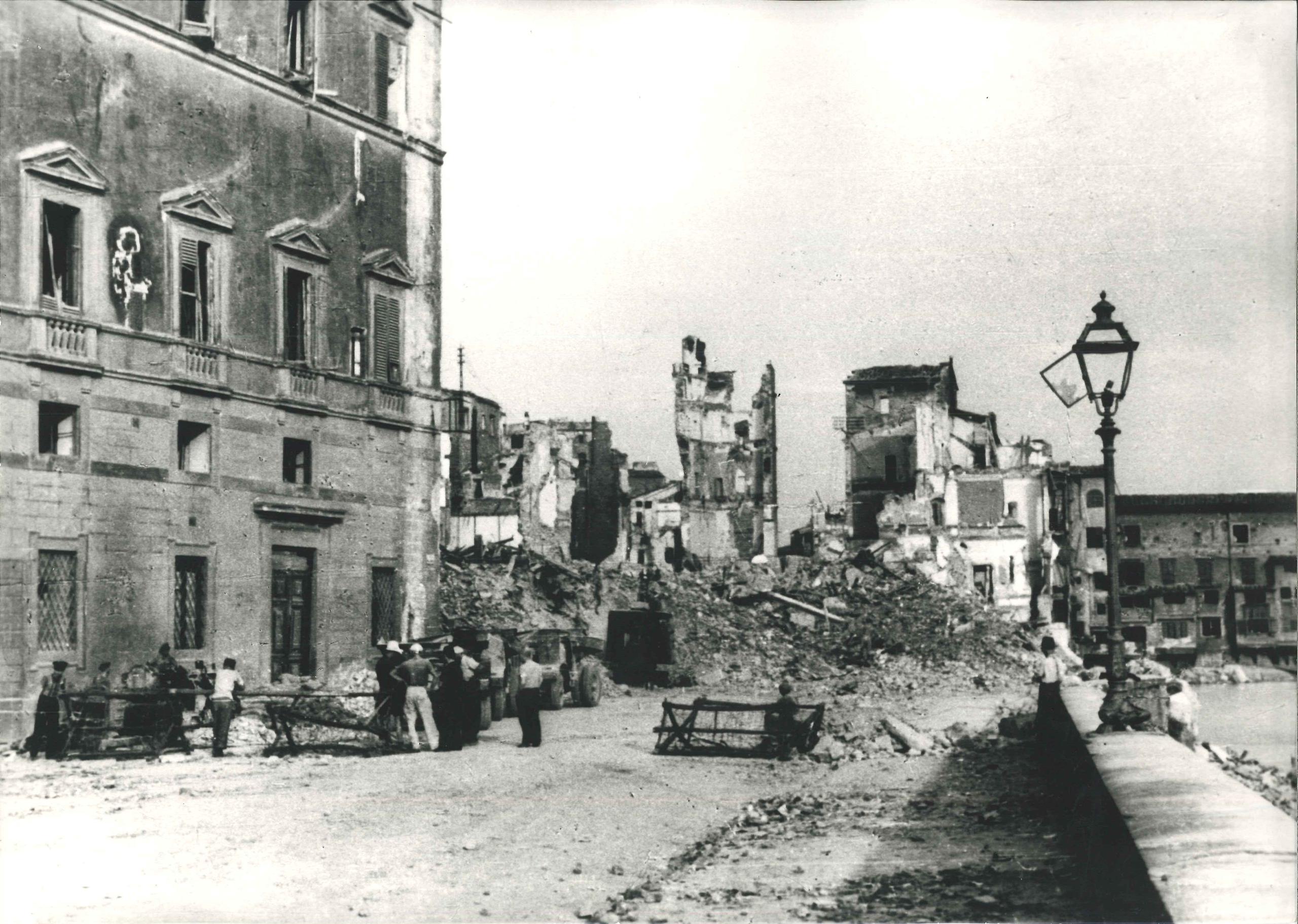
Oltrarno developed as Florence's crafts district. The streets are lined with workshops home to skilled masters of arts and crafts, from leather and metalworking to textiles. At the same time, prominent Florentine families like the Pittis and the Frescobaldis established their residence in the area, contributing to its historic charm.
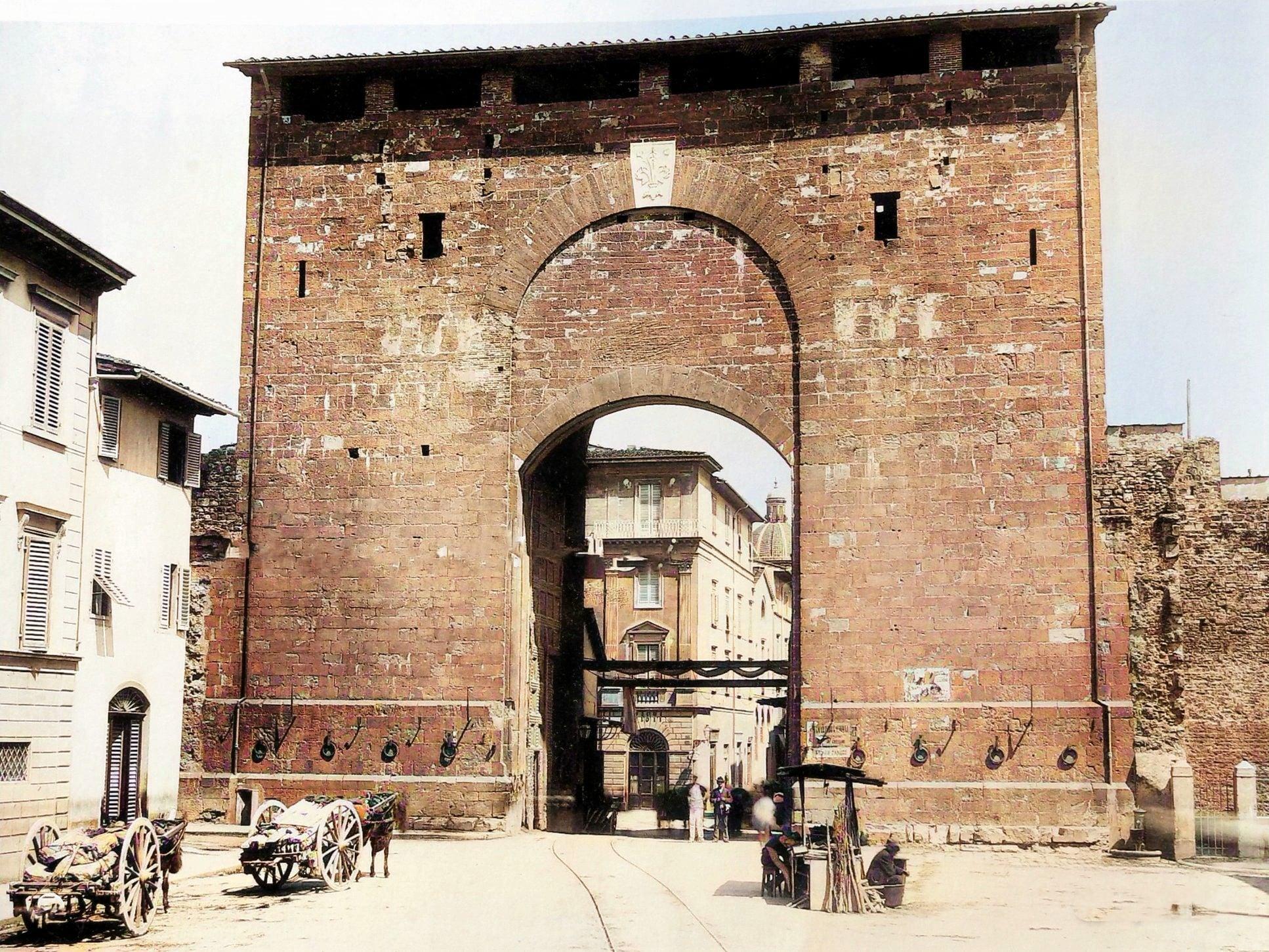
1458: Construction begins on Palazzo Pitti, which becomes a symbol of the district. Its magnificence attracts other aristocrats and patrons of the arts, establishing Oltrarno as an area of social and cultural relevance with a unique balance between noble residences and artisan shops.
1565: Vasari designs the Vasari Corridor connecting Palazzo Vecchio to Palazzo Pitti through Ponte Vecchio. The district is still synonymous with crafts and tradition and its popular soul lives on through street markets and fairs held in the main squares like Piazza Santo Spirito and Piazza del Carmine.
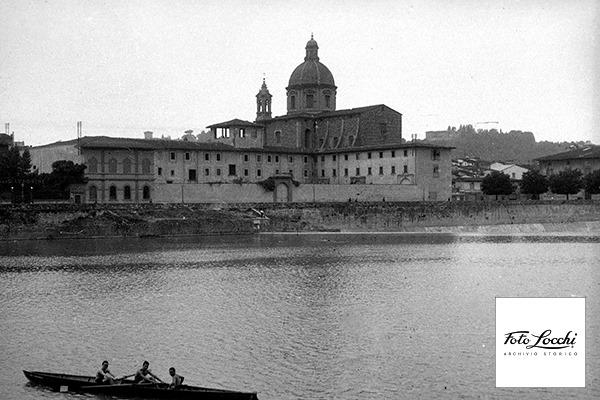
1600 - 1700: The Church of San Frediano in Cestello and the Brancacci Chapel in the Church of Santa Maria del Carmine become places of religious and cultural significance. Life in Oltrarno revolves around these squares, constantly throbbing with fine craftsmanship and deep spirituality.
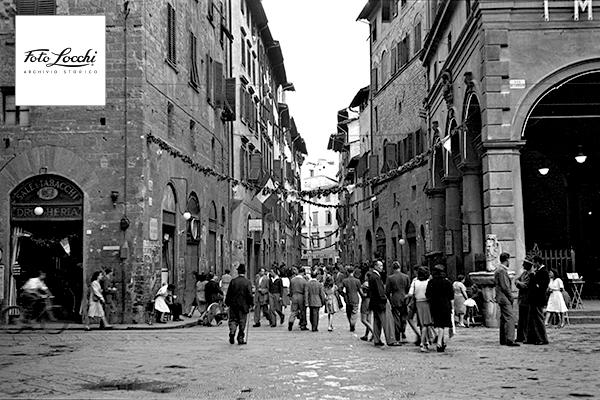
1800 - 1900: The area around Piazza de’ Nerli is an increasingly important hub for markets and crafts. Its proximity to the Cascine market and the presence of artisan workshops contribute to the flourishing of businesses connected to the daily life of the Florentines, preserving the city's characteristic and authentic lifestyle.
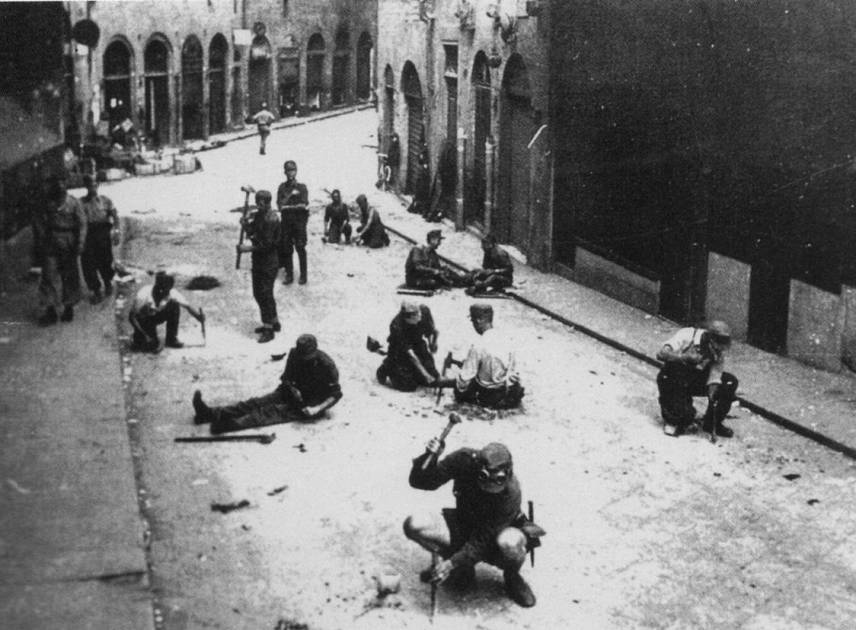
1950s - 1980s: Oltrarno remains one of the less touristy districts, still true to its artisan and popular roots. Home to the working classes and families of Florentine origin, the area still preserves its original identity despite urbanization and the city's growth.
1990s: Florence and the Oltrarno district are increasingly popular tourist destinations. Many historic buildings are restored and converted to accommodate the first tourist apartments, offering guests an immersive stay in Florence's history. The first Oltrarno Apartments 1991 are opened inside carefully restored historic buildings.
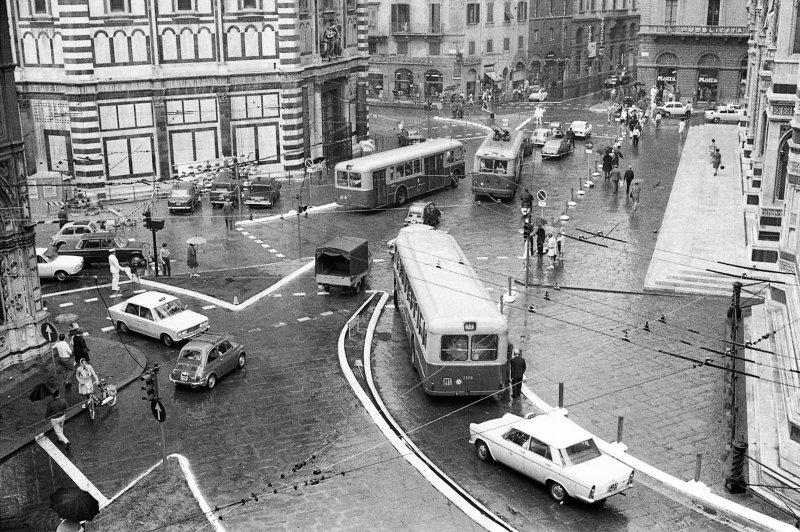
2000 - 2010: Oltrarno begins to change and attract an increasing number of artists, designers and gallery owners. Historic craft shops now stand side by side with new ateliers, design shops and art galleries. The gentrification process gradually brings more prestige to the district, which becomes one of the most coveted areas in the city.
2015: Oltrarno 1881 Apartments is established, offering modern luxury apartments yet true to the district's traditional architectural features and authentic identity. Visitors can experience a perfect combination of contemporary comfort and the charm of bygone days, just a few steps from Florence's main attractions.